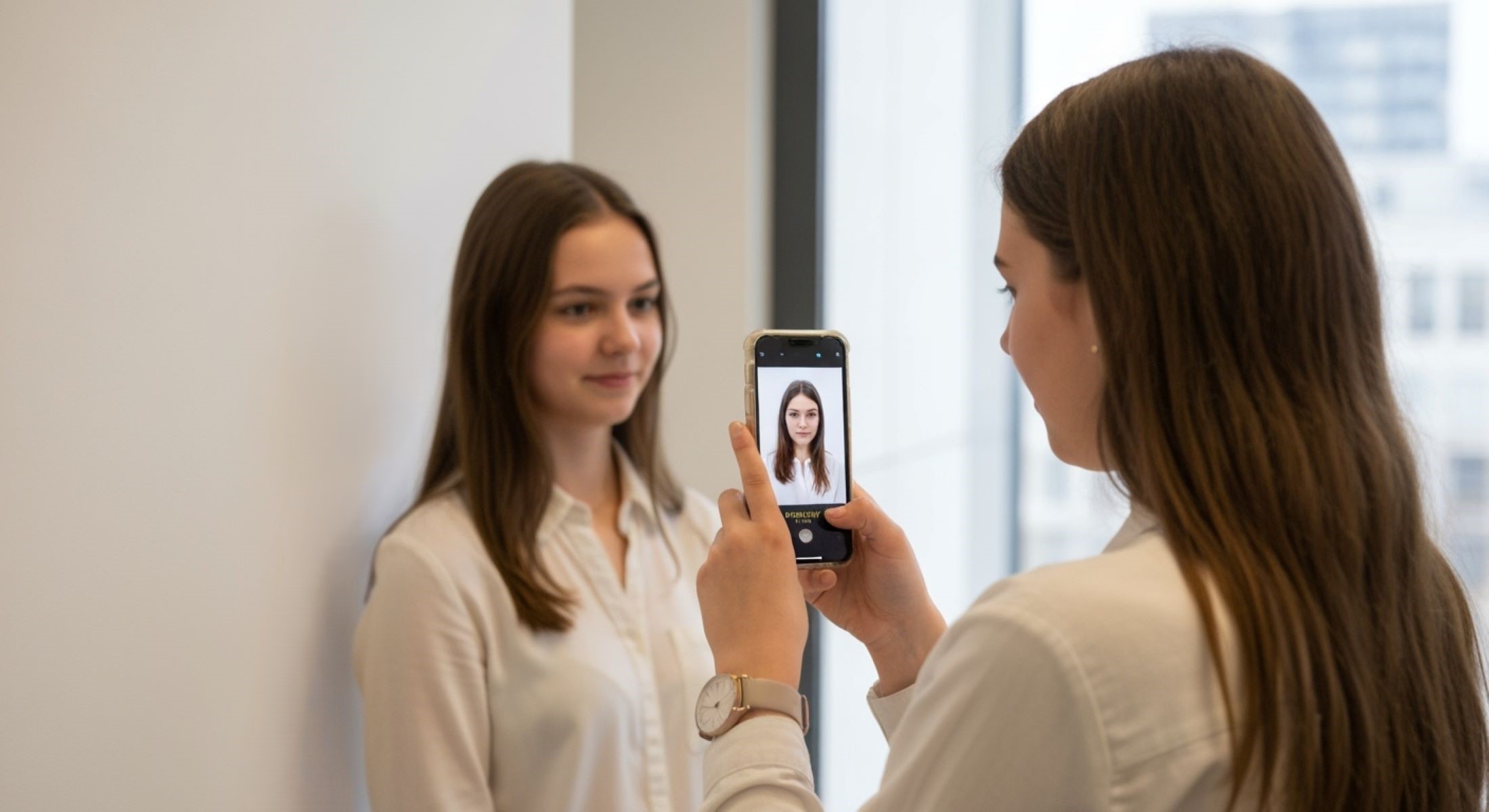
Have you ever wondered if you can take your ID photo using natural light? We all know how tricky it is to get that perfect official photo—one that meets the government’s strict standards and still looks good. Lighting plays a huge role here. Usually, when we think of ID photos, we imagine sterile, artificial lighting in a photo studio or a kiosk. But is that the only way? Can natural light work just as well or even better?
ID Photo Requirements
Standard Guidelines for ID Photos in the U.S.
Before you even think about snapping a picture for a U.S. government-issued ID—whether it’s a passport, driver’s license, or other official identification—it’s essential to know the strict rules set by agencies like the U.S. Department of State. These rules cover everything from the exact size of the photo (usually 2×2 inches for passports) to the color and uniformity of the background, facial expression, and lighting quality. The goal is to produce a clear, consistent image that can be easily scanned and recognized by machines and human officials alike. For example, the background must be plain white or off-white, and you must face the camera directly with a neutral expression—no smiling or frowning.
Lighting plays a critical role in meeting these standards. The lighting must be uniform and bright enough so that your facial features are clearly visible, without any shadows cast on your face or behind you. Reflections, especially on glasses, are not allowed because they obscure your eyes. The photo must not have any shadows, glare, or red-eye effects. These strict requirements ensure that your ID photo accurately represents your appearance and meets security protocols.
Common Mistakes in ID Photos Related to Lighting
One of the most common reasons ID photos get rejected is poor lighting. Many people unknowingly take photos with uneven lighting where one side of the face is much brighter than the other, or with harsh shadows caused by overhead or side light. These shadows can distort facial features or create areas of darkness that make it hard to identify the person. Similarly, reflections and glare—especially on eyeglasses—are major no-nos because they hide the eyes, which are crucial for identification.
Another frequent issue is using lighting that’s too dim, making the photo look dull or grainy, or too bright, causing washed-out skin tones and loss of detail. Even subtle lighting problems can cause a photo to be rejected by government officials, wasting time and money. Therefore, achieving balanced, even lighting without any shadows or glare is essential for a successful ID photo.
Can You Use Natural Light for an ID Photo
Absolutely, natural light can be used for taking an ID photo, but with some important caveats. Natural light has long been favored by photographers because it creates soft, flattering illumination that can bring out natural skin tones and reduce harsh contrasts. When done right, a natural light photo can look clean, bright, and professional—key qualities for an ID photo. However, official ID photos, especially for U.S. government documents like passports or driver’s licenses, must meet strict guidelines that include even lighting, no shadows, and no glare. So while natural light is allowed, it must be used carefully to meet these standards.
Situations Where Natural Light Works Well
Natural light works best when it’s indirect and diffused, rather than harsh and direct. For example, sitting near a north-facing window is ideal because it typically receives steady, soft light without direct sun rays that cause shadows or squinting. Similarly, outdoor photos taken on overcast or cloudy days benefit from the clouds acting as a natural diffuser, scattering sunlight evenly and minimizing strong shadows.
Other ideal situations include:
- Shaded outdoor areas: Under a tree canopy or next to a building that blocks direct sunlight but still provides plenty of ambient light.
- Indoors near large windows: Especially if the windows face away from the sun’s direct path, providing gentle, ambient illumination.
- Early morning or late afternoon (“golden hour”): During these times, sunlight is softer and warmer, reducing harsh contrasts.
Using natural light in these ways can help ensure your face is lit evenly and clearly, without distracting shadows or glare.
Potential Challenges with Natural Light
Despite its many benefits, natural light does have drawbacks that can complicate taking an official ID photo. The main issues arise from the variability and intensity of sunlight:
- Harsh shadows: Direct sunlight, especially at midday, can create deep shadows on one side of your face or behind you, violating ID photo rules that require even lighting.
- Squinting or glare: Bright sun often causes people to squint, which is not allowed in official ID photos where a neutral expression and open eyes are mandatory.
- Uneven brightness: Clouds moving across the sun or nearby objects casting shifting shadows can lead to inconsistent lighting within the same photo session, making it difficult to get a uniform image.
- Color shifts: Natural light changes color temperature throughout the day, sometimes giving photos an unnatural tint that might not meet official standards.
Because of these factors, you must carefully choose the time, place, and weather conditions when using natural light. It may take multiple attempts to find the perfect moment and spot where the lighting is steady, soft, and evenly distributed.
Tips for Taking ID Photos Using Natural Light
Choosing the Right Time of Day
Timing is everything when using natural light for an ID photo. The best periods are early morning and late afternoon, often called the “golden hours.” During these times, sunlight is softer and warmer, producing gentle, flattering light that highlights your features without causing harsh shadows or excessive brightness. This warm natural glow can help your skin look more even-toned and vibrant, which is exactly what you want for an official photo where clarity and realism matter.
In contrast, midday sun is notoriously harsh and should be avoided. When the sun is high overhead, it creates sharp, dark shadows on your face—under the eyes, nose, and chin—that make your photo look uneven and unprofessional. Bright sunlight can also cause squinting, which is not allowed in ID photos. So, planning your photo session around these golden hours greatly improves your chances of capturing an acceptable picture without needing complex lighting equipment.
Finding the Best Spot for Lighting
Where you take your photo matters just as much as when. The ideal spot for natural light is a shaded outdoor area or an indoor location near a large window. A shaded area outside provides bright, diffused light without the drawbacks of direct sunlight, while a big window indoors can flood your face with soft light that enhances detail and color without causing glare or harsh shadows.
When setting up your shot, ensure that the light source is facing you directly, or at a slight angle, rather than coming from behind you. Backlighting can make your face appear dark and shadowy, which is unacceptable for official ID photos. Instead, position yourself so that the natural light illuminates your face evenly, helping to produce a clear, well-lit image suitable for submission.
Avoiding Shadows and Glare
One of the biggest challenges with natural light is controlling shadows and glare, both of which can ruin an ID photo. To avoid shadows, make sure your face is evenly lit from the front or side and avoid positioning yourself near objects that might cast uneven shadows on your face, such as blinds or tree branches. Shadows under the eyes, nose, or chin can obscure facial features, making the photo unusable for official purposes.
Glare, especially from glasses, is another common issue. If you wear glasses, try taking the photo without them to prevent reflections. If removing glasses isn’t an option, adjust your angle slightly or reposition your light source to minimize glare on the lenses. Remember, clear visibility of your eyes is mandatory for ID photos, so this step is crucial to ensure your photo meets official requirements.
| Tip Category | Description | Best Practices | What to Avoid |
| Choosing the Right Time | Use natural light during “golden hours” for soft, warm lighting. | Early morning or late afternoon; avoid noon | Midday sun causing harsh shadows and glare |
| Finding the Best Spot | Select shaded outdoor areas or indoor spaces near large windows for even, diffused lighting. | Face the light source; choose plain, light backgrounds | Backlighting or uneven shadows |
| Avoiding Shadows | Ensure your face is evenly lit to prevent shadows under eyes, nose, or chin. | Position yourself in soft light; avoid obstacles casting shade | Harsh directional light causing shadows |
| Preventing Glare | Minimize reflections on glasses or shiny skin to keep eyes visible. | Remove glasses or adjust angles; use indirect light | Wearing glasses with direct reflections |
Natural Light vs. Artificial Light: Which Is Better for ID Photos
Pros and Cons of Natural Light
Natural light is highly praised for its softness and ability to produce natural skin tones that look true to life. It’s free, widely available, and easy to use—especially if you don’t want to invest in expensive lighting equipment. Because natural light changes throughout the day, it can provide a gentle, flattering illumination that enhances your features subtly without the harshness artificial lights sometimes produce. Many professional photographers aim to capture that natural feel because it often results in photos that look less “staged” and more genuine.
However, natural light also comes with some disadvantages. It’s weather-dependent, which means cloudy days, rain, or sudden changes in sunlight can make it difficult to achieve consistent lighting. It’s also less controllable, and natural light can create unwanted shadows or glare if you’re not careful with positioning. For official ID photos, where uniformity and clarity are paramount, these inconsistencies can lead to rejected photos, causing frustration and delays.
Pros and Cons of Artificial Light
Artificial lighting offers unmatched control and consistency, which is why professional photo studios rely on it heavily. You can position multiple light sources to eliminate shadows entirely, control the intensity and color temperature of the lights, and create a perfectly even backdrop. This control ensures that every photo meets strict guidelines, making artificial light a reliable choice for official photos.
On the downside, artificial light can sometimes feel harsh or unnatural, creating flat-looking images with less depth and warmth. It often requires special equipment and technical knowledge to set up correctly, which isn’t practical for casual or at-home ID photo attempts. Additionally, poor artificial lighting can cause unnatural skin tones or glare if not carefully adjusted.