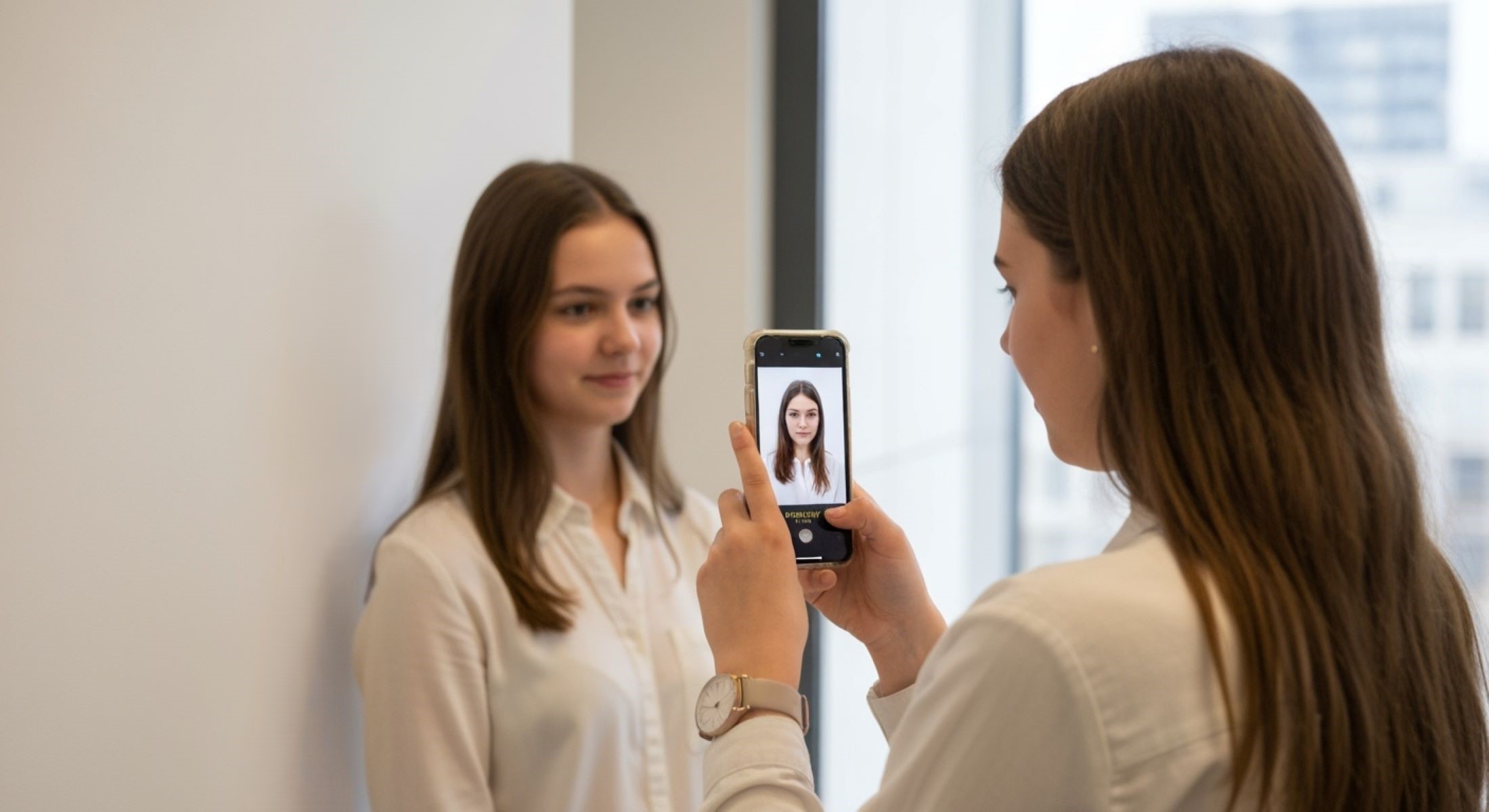
If you’ve ever tried taking photos indoors, you know it’s a whole different ball game compared to outdoor photography. Indoor lighting can make or break your shots — and getting it right is essential if you want crisp, professional-looking photos. So, why exactly is lighting so crucial indoors?
Why Lighting is Crucial for Indoor Photography
Lighting is the backbone of every great photograph, and this is especially true when shooting indoors. Unlike outdoor photography where sunlight floods the scene naturally, indoor settings often suffer from a lack of strong, consistent light sources. The light you have controls everything—from how sharp your photo looks to the overall mood you create. Soft, even lighting can make skin tones appear smooth and inviting, while poor lighting can turn a lively moment into a dull, grainy snapshot. Without proper lighting, your camera struggles to capture details clearly, leading to images that lack vibrancy or look flat and lifeless. Simply put, if you don’t control your light well indoors, your photos won’t do justice to the moment or subject.
Challenges of Indoor Lighting Compared to Outdoor
Shooting indoors brings a unique set of challenges that photographers often don’t face outdoors. The primary issue is the limited availability and quality of light sources. While the sun provides a natural, broad-spectrum light outdoors, indoors you’re mostly relying on artificial lighting or small windows. Artificial lights tend to have odd color casts—like the warm yellow glow of incandescent bulbs or the cool blue hue of LED lights—which can cause your photos to look unnatural or inconsistent if not managed properly. Additionally, many indoor light bulbs flicker or have uneven intensity, further complicating exposure and white balance settings.
Another challenge is the way indoor spaces affect light behavior. Rooms with reflective surfaces, such as mirrors, shiny furniture, or glass windows, can create unwanted glare or harsh reflections. Narrow rooms or cluttered spaces also cause complicated shadow patterns that distract from your subject. Because the environment indoors confines light, you often get uneven lighting with bright spots and dark shadows that are difficult to balance. To overcome these issues, photographers must learn to manipulate available light creatively using modifiers, reflectors, or by carefully positioning subjects relative to light sources.
Types of Indoor Lighting for Photography
When shooting indoors, understanding the different types of lighting available is essential to capturing great photos. Primarily, indoor lighting falls into two categories: natural light and artificial light. Each type has its strengths and challenges, and knowing when and how to use them can make a big difference in your images.
- Natural Light: Comes from the sun, usually filtered through windows or doors. It’s often soft and flattering but can be inconsistent depending on time and weather.
- Artificial Light: Includes any man-made light source like bulbs, LEDs, strobes, and lamps. It offers control and consistency but may require additional equipment or adjustments for color accuracy.
By mastering these lighting types, photographers can create images that look professional and visually appealing regardless of the indoor environment.
Natural Light Indoors
Nothing beats natural light for photography, especially indoors where it often creates a soft, warm atmosphere that enhances skin tones and textures. Sunlight coming through windows acts as a natural diffuser, preventing the harsh shadows and bright spots you might get from direct artificial lights. This soft illumination works perfectly for portraits, lifestyle shots, and product photography where you want to maintain a natural look.
Natural light indoors offers several benefits:
- Soft and even illumination that minimizes harsh shadows.
- True-to-life colors that make your photos more vibrant and realistic.
- A wide range of moods depending on the time of day and weather conditions.
However, natural light can be unpredictable. Changes in weather or the position of the sun can affect how much light is available and its quality, so it’s important to learn how to adapt quickly or combine it with artificial sources if needed.
Using Windows as a Light Source
Windows are your best friends when it comes to indoor natural lighting — think of them as large, built-in softboxes that spread sunlight evenly. Positioning your subject near a window lets you take advantage of this beautiful, diffused light, which creates flattering shadows and highlights that add depth and dimension to your photos.
Here’s how to make the most of window light indoors:
- Place your subject close to the window (usually within a few feet) to maximize the soft light.
- Use sheer curtains or blinds to diffuse strong sunlight and prevent harsh highlights.
- Experiment with angles by moving your subject or camera to find the most flattering direction of light, such as side lighting for more texture or front lighting for even illumination.
- Avoid direct sunlight hitting your subject’s face, as it can create unflattering, harsh shadows.
By treating your window as a natural light modifier, you can achieve stunning results without expensive equipment.
Best Times of Day for Natural Indoor Light
The quality of natural indoor light changes throughout the day, so timing your shoots can significantly improve your photos. The two golden periods are just after sunrise and just before sunset, often called the “golden hour.” During these times, sunlight is softer, warmer, and comes in at a lower angle, which helps produce beautiful side lighting with gentle shadows and a natural glow.
Key points to remember about timing:
- Golden hour (early morning and late afternoon): Provides warm, flattering light ideal for portraits and lifestyle shots.
- Midday: Light is harsher and more direct, often creating strong shadows and bright spots through windows. Use diffusers or curtains to soften it if shooting at this time.
- Cloudy or overcast days: Offer naturally diffused light all day, which is excellent for soft and even illumination indoors.
- Room orientation: North-facing rooms typically get indirect, consistent light throughout the day, which helps maintain steady lighting conditions for indoor shoots.
Planning your shoot around these times can save you frustration and produce more consistent, professional-looking photos with natural indoor lighting.
Light Quality and Direction
Not all light is created equal, and the way light interacts with your subject can completely transform your photo. When you’re shooting indoors, understanding the quality and direction of light becomes even more important since natural light is limited and artificial light can be tricky. Light quality refers to how soft or hard the light is, while direction describes where the light comes from relative to your subject. Both of these factors influence shadows, highlights, texture, and overall mood in your images.
Soft vs. Hard Light: What Works Best Indoors
Soft light is generally preferred for indoor photography because it creates a natural and gentle atmosphere. Examples include sunlight filtered through a curtain, a lampshade, or a large softbox. This kind of light softens facial features and textures, making skin look smooth and reducing unflattering shadows. It’s ideal for portraits, lifestyle images, and product photos where clarity and warmth are key. Soft light also makes post-processing easier, as there are fewer harsh highlights or deep shadows to balance.
Hard light, however, can be useful for creating dramatic and eye-catching effects. Direct sunlight on a sunny day or bare bulbs without any diffusion produce sharp shadows and bright highlights, emphasizing texture and shape. But indoors, this hard light often causes unappealing shadows on the face or distracting glare on reflective surfaces. Unless you’re going for a very stylized look, soft light tends to be the safer, more versatile choice for most indoor shoots.
Direction of Light: Front, Side, Back, and Top Lighting Explained
The direction from which light hits your subject dramatically affects the image’s mood and depth. Each direction has unique qualities:
- Front Lighting brightens the entire subject evenly but can flatten features, making portraits less dimensional.
- Side Lighting casts shadows across the face or object, enhancing texture and depth—perfect for dramatic or artistic shots.
- Backlighting places the light source behind the subject, creating silhouettes or a glowing rim effect that separates the subject from the background.
- Top Lighting, often from ceiling lights, tends to create shadows under the eyes and nose, which is usually unflattering for portraits but can work in certain creative contexts.
Understanding how these directions change the feel of your photo allows you to position your light sources intentionally to match your vision.
How to Use Reflectors and Diffusers Indoors
Reflectors and diffusers are simple but powerful tools to control indoor lighting. A reflector bounces light back onto the subject to fill in shadows, making your lighting more balanced and flattering. You don’t need fancy gear here; even a white foam board, a piece of white poster paper, or a reflective car sunshade can work wonders. By positioning reflectors opposite your main light source, you soften dark shadows and create a more even exposure.
Diffusers, meanwhile, help soften harsh or direct light by spreading it out over a larger area. Sheer curtains, frosted windows, or translucent umbrellas can act as diffusers indoors. Using these prevents unwanted bright spots and makes the light more flattering. Combining diffusers with reflectors lets you craft soft, controlled lighting that works beautifully for both portraits and products.
| Type of Light | Description | Effects on Subject | Best Indoor Use |
| Soft Light | Diffused, gentle light from curtains, softboxes, or lampshades | Smooth shadows, flattering, even illumination | Portraits, lifestyle, product photography |
| Hard Light | Direct, undiffused light from bare bulbs or sunlight | Sharp shadows, high contrast, dramatic texture | Artistic shots, dramatic effects |
| Front Lighting | Light hits subject from the front | Brightens features but flattens depth | Simple portraits, evenly lit scenes |
| Side Lighting | Light hits from the side | Adds texture, depth, and mood | Dramatic portraits, texture-rich products |
| Backlighting | Light behind subject | Silhouettes, glowing edges | Creative portraits, rim lighting effects |
| Top Lighting | Light from above | Shadows under eyes and nose | Generally avoided for portraits, sometimes creative |
Setting Up Your Indoor Lighting for Photos
Setting up your indoor lighting properly is the key to capturing professional-looking photos. Before you even hit the shutter, plan where to place your lights to create the mood and clarity you want. For portraits, this often means using multiple lights to shape your subject’s face and body effectively, while for products, the goal is usually even illumination that highlights details and texture.
Positioning Lights for Portrait Photography
One of the most popular and effective setups for portrait photography indoors is the classic three-point lighting system. This consists of:
- Key Light: The main light source that defines the subject’s shape and creates primary shadows.
- Fill Light: A softer light that reduces harsh shadows caused by the key light, often placed opposite the key.
- Backlight (or Hair Light): Positioned behind the subject to create separation from the background and add depth.
This setup sculpts the face, adds dimension, and results in balanced, professional portraits. The beauty of three-point lighting is its flexibility; you can adjust the intensity and placement of each light to fit the mood, whether soft and natural or dramatic and bold.
Lighting Setups for Product Photography
For product photography indoors, the goal is usually to show off the item clearly and attractively. Soft, even lighting that minimizes shadows and highlights details is best. Common tools here include:
- Light tents: Enclosed diffused boxes that create uniform light around the product.
- Softboxes: Provide large, soft light sources that reduce harsh reflections and shadows.
- Reflectors: Fill in dark areas and balance the light for an even look.
Using these tools, you can highlight textures, colors, and shapes without distracting shadows or glare, which is critical for marketing or e-commerce photography.
Tips for Avoiding Shadows and Glare
Unwanted shadows and glare are common indoor photography problems, especially with reflective surfaces. To minimize these:
- Move lights around: Experiment with angles and distances until shadows fall where you want them—or disappear entirely.
- Use diffusers: Softening harsh light reduces bright spots and sharp shadows.
- Adjust subject placement: Sometimes simply turning your subject or moving it away from reflective surfaces cuts down glare.
- Combine reflectors: Bounce light into shadowed areas to create balanced illumination.
These techniques help ensure your photos look clean, professional, and visually appealing without distracting light issues.