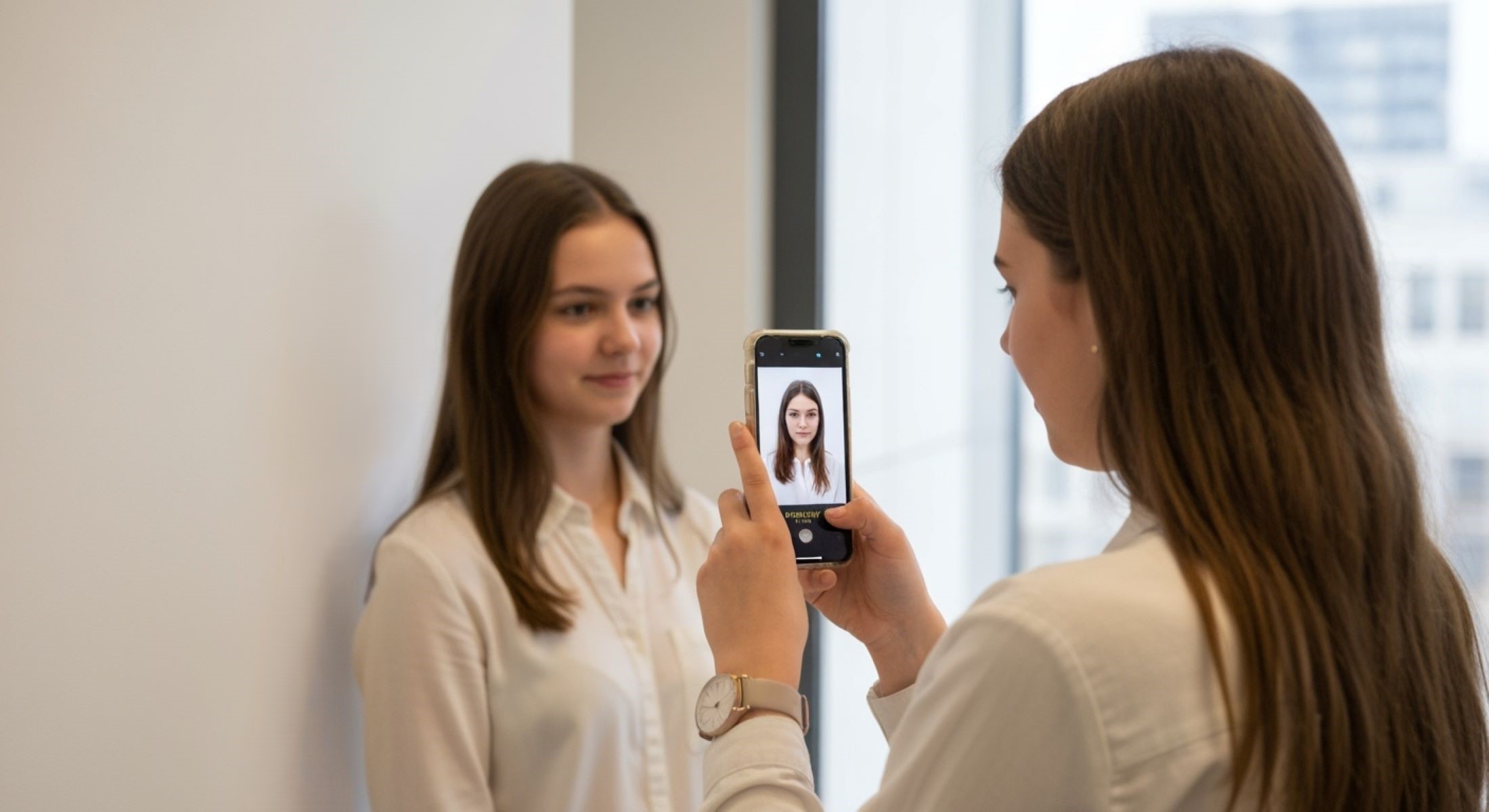
If you’ve ever applied for a passport, you know how picky the authorities are about your passport photo. From the size of your head in the frame to the background color, everything has strict rules. One sneaky reason your passport photo might get rejected is shadows. But why do shadows matter so much? In this article, we’ll dive into why shadows can invalidate your passport photo, how to avoid them, and what to do if your photo gets rejected because of them.
The Role of Shadows in Passport Photos
Shadows in photography occur when an object blocks or partially blocks a light source, resulting in areas of darkness on a subject or background. In the context of passport photos, shadows can appear in several places: on the face, on the background behind the subject, or even cast by accessories such as glasses, hats, or jewelry. While shadows might seem like a minor photographic detail, they pose a serious problem for passport photos because they reduce the clarity and uniformity required for official identification images. The U.S. Department of State requires passport photos to be clear and free of shadows so that all facial features and the background remain consistent and easily identifiable.
When shadows appear on your passport photo, they can cause the photo to be rejected. Shadows can distort or obscure critical facial features, making it difficult for government officials or biometric software to verify your identity accurately. Additionally, shadows on the background can make the photo appear unprofessional and fail to meet the strict guidelines set by the Department of State. Shadows may seem harmless at first glance, but in official documents like passports, every detail counts to prevent fraud, identity theft, and processing delays.
Types of Shadows That Cause Issues
- Shadows on the face: Shadows falling on your face can obscure key features like the eyes, nose, or mouth. This is particularly problematic because passport officials need a clear, unobstructed view of your face to verify your identity accurately. Shadows can make you look different or cause certain features to blend into darker areas, increasing the chance of photo rejection.
- Shadows on the background: The U.S. passport photo requirements specify a plain white or off-white background free of any shadows or patterns. Shadows behind you can cause unevenness or distractions in the background, making it harder for officials to focus on your face and verify the photo’s authenticity.
- Shadows from accessories or hair: Even small shadows cast by glasses, earrings, or loose strands of hair can create areas of darkness in the photo. These shadows can distort your facial outline or cause issues with the clarity of your features, leading to potential rejection of the photo.
Passport Photo Guidelines and Shadow Restrictions
The U.S. Department of State has very explicit rules about the appearance of passport photos, including strict requirements about lighting and shadows. According to the guidelines, your photo must have a plain white or off-white background without any shadows or patterns. This ensures a uniform backdrop that doesn’t distract from the subject’s face. The Department’s strict stance on shadows isn’t arbitrary; it’s meant to guarantee that photos are clear, consistent, and usable for identity verification both by human reviewers and automated systems.
Why are shadows such a big deal? The presence of shadows violates these official standards because shadows can obscure facial details or alter how features appear in the image. A shadowy background or face may cause the photo to be rejected outright, delaying your passport application. Since passports serve as critical government-issued identification, the quality and clarity of the photo are paramount to national security and personal identification.
Why shadows are restricted:
- Shadows obscure important facial features
- Shadows create uneven backgrounds, violating photo uniformity
- Shadows reduce the photo’s overall quality and professionalism
- Shadows interfere with biometric facial recognition systems
- Shadows increase the risk of photo rejection, causing delays
Impact of Shadows on Facial Recognition
Modern passport processing increasingly relies on biometric facial recognition technology to verify identities quickly and accurately. These systems analyze precise facial landmarks — such as the distance between the eyes, the shape of the nose, and the position of the mouth — to match a person’s photo with their identity records. Shadows on the face or background interfere with these systems because they can distort or partially hide these important features.
Imagine trying to complete a jigsaw puzzle with several pieces missing or hidden under a shadow. That’s what it’s like for facial recognition algorithms when shadows obscure parts of the face. The software may struggle to identify key points or may produce errors, causing the photo to fail automated checks. This means your passport application may be flagged for manual review, delaying approval or requiring you to resubmit a new photo. For humans reviewing the photos, shadows can make it harder to recognize the person, especially under strict time and security conditions.
In essence, shadows compromise the very purpose of passport photos: to provide a clear, standardized, and reliable image of the individual. By eliminating shadows, the government ensures that facial recognition technologies work effectively, reducing the risk of identity fraud and speeding up passport processing times.
Common Causes of Shadows in Passport Photos
Shadows often sneak into passport photos due to several key reasons, mostly related to lighting and how the photo is taken. One of the biggest culprits is poor lighting setup. When the light source is harsh and comes from just one side, it creates strong shadows on the opposite side of the face. This uneven lighting causes some facial features to appear darker or distorted, which can lead to photo rejection. Lighting that’s too bright or angled incorrectly can also create harsh edges and unwanted contrast that ruins the uniformity of the photo.
Another common cause of shadows is incorrect camera angles. If the camera is positioned too high, too low, or off to the side, it can cast unnatural shadows either on the face or background. This disrupts the symmetry and clarity required for passport photos. Environmental factors also play a big role—indoor lighting fixtures like ceiling lights or lamps often create inconsistent shadows, while outdoor sunlight can change rapidly and cast unpredictable shadows from nearby objects like trees or buildings. Both indoor and outdoor photo sessions require attention to these factors to avoid shadows.
| Cause | Description | Effect on Passport Photo | Solution Overview |
| Poor Lighting Setups | Harsh, direct light from one side causes shadows on face | Uneven facial lighting; shadow obscures features | Use soft, diffused lighting; balance light sources |
| Incorrect Camera Angles | Camera positioned improperly causes unnatural shadows | Shadows fall on face or background disrupting clarity | Keep camera at eye level and centered |
| Environmental Factors | Indoor lights or outdoor sunlight cast unpredictable shadows | Shadows vary in intensity and location | Choose proper lighting and avoid harsh sun angles |
Indoor vs Outdoor Photo Challenges
Indoor passport photos often face the challenge of uneven lighting caused by room lighting setups. Most homes or offices do not have professional lighting equipment, so overhead lights, lamps, or windows can create shadows that vary in size and position. For example, a ceiling light might cast shadows under the chin or nose, while side lamps might create uneven shading on the face. Additionally, backgrounds may not be perfectly uniform or shadow-free due to walls or furniture nearby. This inconsistency makes it hard to meet the strict passport photo requirements and can lead to rejection.
Outdoor photos, on the other hand, have their own unique challenges. Natural sunlight is constantly changing throughout the day, and objects like trees, buildings, or even your own body can cast shifting shadows on your face or the background. While sunlight can provide nice soft lighting if diffused by clouds, direct sunlight often produces harsh shadows and bright highlights. The background outdoors can also be cluttered or uneven in lighting, which violates passport photo rules. Because of these factors, outdoor photos require careful timing and positioning to avoid shadows.
How to Avoid Shadows in Passport Photos
The good news is that avoiding shadows in passport photos is manageable with a few practical tips. First, use soft, diffused lighting whenever possible. Natural light filtered through a white curtain or sheer window provides even illumination without harsh shadows. This type of lighting gently spreads over the face and background, minimizing shadow formation. Always position yourself so that you face the light source directly—this ensures your face receives the most even lighting and reduces shadows on one side.
In addition to lighting, pay attention to your background and photo location. Use a plain, light-colored background that’s free of objects or textures that can cause shadows. If you’re not visiting a professional photo studio, try using reflectors or white boards to bounce light evenly onto your face and eliminate shadows. Professional studios often have specialized equipment to provide perfect lighting, so if possible, it’s a good idea to use their services for passport photos to ensure compliance with government standards.
Camera Settings and Positioning Tips
Proper camera setup is crucial to avoid shadows in your passport photo. The camera should be positioned at eye level and approximately 4 to 6 feet away from the subject. This distance helps capture the full face clearly without distortion or shadowing caused by proximity. Avoid tilting or angling the camera, as this can cast unwanted shadows on the face or background. Centering your face in the frame also helps ensure that lighting is balanced and symmetrical.
Using flash can be tricky—it should only be used if it’s balanced and soft enough not to create harsh shadows. Many cameras or smartphones have built-in flash that can be too strong, so test photos beforehand. Always review your photo carefully before submission, looking specifically for any shadows on your face or in the background. If you spot shadows, adjust your lighting or camera setup and retake the photo to ensure it meets official passport requirements.